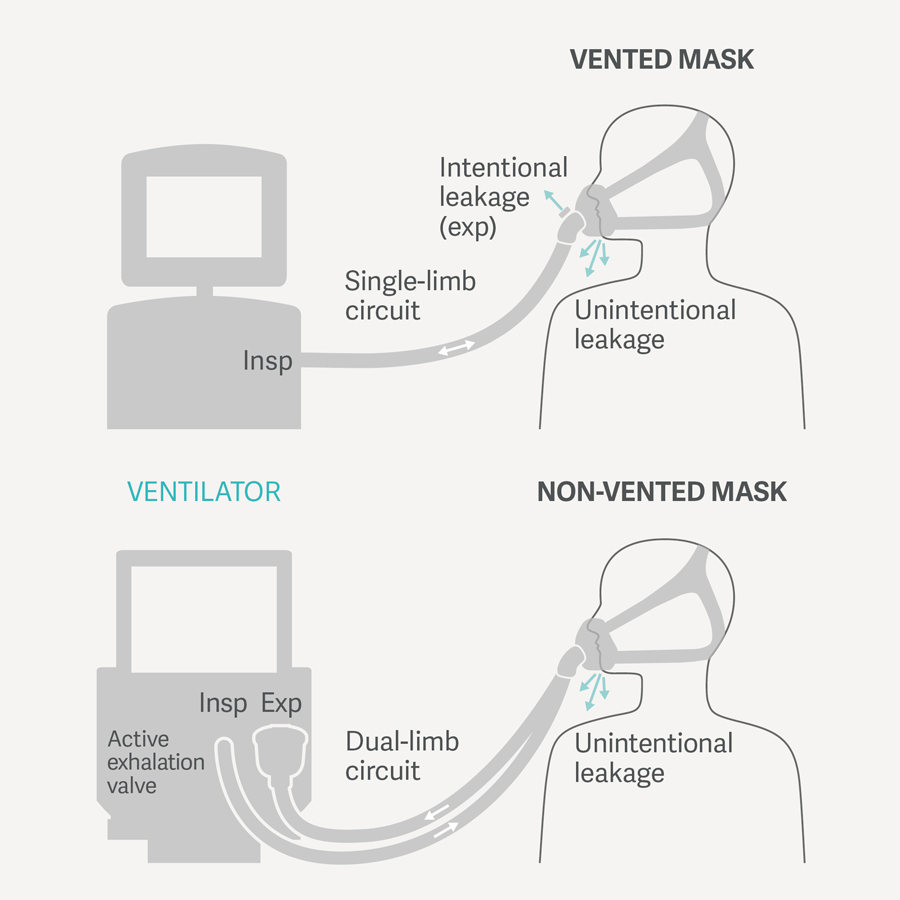
Non-invasive ventilation helps patients breathe by delivering air under positive pressure through a mask/interface. When the patient inhales, the ventilator provides extra pressure to support airflow into the lungs and reduce the effort of breathing. When the patient exhales, a lower level of pressure is maintained to keep the airways open and support gas exchange.
Overview
Understanding non-invasive ventilation. When and why it is used – and what influences its success:
- What is Non-invasive ventilation (NIV)?
- How does NIV work?
- What are the benefits of NIV?
- Which patients may benefit from NIV?
- When should NIV not be used?
- What factors influence success of NIV therapy?
- Why is patient–ventilator synchrony important in NIV?
- How do ventilation modes affect synchrony in NIV?
- Which ventilator should be used for NIV?
- Why is interface fitting important in NIV?
- What are the complications of NIV?
What is Non-invasive ventilation (NIV)?
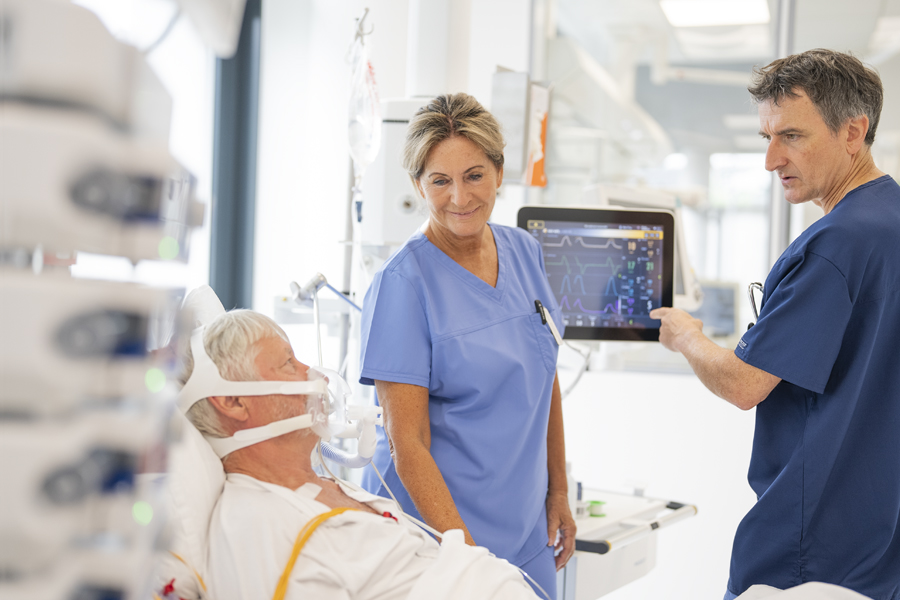
Non-invasive ventilation (NIV) is widely used for respiratory failure [1],[2] and refers to ventilatory support delivered without an invasive airway, meaning without an endotracheal or tracheostomy tube. Instead, ventilation is provided through external interfaces that create a seal around the airway, allowing respiratory support while avoiding many complications associated with invasive ventilation [1]. It can be delivered via various modes such as high-flow nasal therapy (HFNT), continuous positive airway pressure (CPAP) and bilevel positive airway pressure (BiPAP).
How does NIV work
Non-invasive ventilation helps patients breathe by delivering air under positive pressure through a mask/interface. When the patient inhales, the ventilator provides extra pressure to support airflow into the lungs and reduce the effort of breathing. When the patient exhales, a lower level of pressure is maintained to keep the airways open and support gas exchange.
What are the benefits of NIV
NIV has become an important component of respiratory support in both acute and chronic care. It avoids the complications associated with invasive mechanical ventilation and intubation.
By preserving the upper airway, NIV maintains airway defence mechanisms and allows patients to eat, speak, and clear secretions, while improving comfort and mobility [5],[6],[7],[8]. A key advantage of NIV is the reduction of healthcare-acquired infections, leading to reduced complication rates, mortality and hospital stays [5]. Compared with invasive ventilation, NIV is associated with lower rates of healthcare-acquired pneumonia. Patients receiving NIV also undergo fewer invasive procedures, such as urinary catheterisation or central venous lines, which may contribute to a lower incidence of infection and sepsis [9],[10].
In chronic respiratory failure, NIV supports ventilation during sleep, improves daytime gas exchange, and may enhance respiratory muscle function and lung mechanics [5],[10],[11],[12],[13].

Which patients may benefit from NIV?
NIV can be started and stopped quickly, making it a flexible tool for managing both acute and chronic respiratory failure. It is used in a broad range of clinical settings, although the strength of evidence varies [1],[5],[14],[16].
Acute respiratory failure [5]:
- COPD exacerbations – strong recommendation (high certainty); indicated in hypercapnic respiratory acidosis to reduce intubation, complications, and mortality
- Cardiogenic pulmonary oedema – strong recommendation (high certainty); CPAP or NIV improves respiratory distress and gas exchange
- Immunocompromised patients – conditional recommendation (moderate certainty); may reduce the need for intubation
- Post-extubation (high-risk patients) – conditional recommendation (low–moderate certainty); may prevent respiratory failure and re-intubation
- COVID-19 / hypoxemic respiratory failure – conditional recommendation (low certainty); requires close monitoring due to risk of delayed intubation
- Other conditions (e.g. asthma, pneumonia, trauma) – no or weak recommendation (low certainty); evidence is limited or inconsistent
Chronic respiratory failure [5]:
- Hypercapnic COPD – conditional recommendation (moderate certainty); improves gas exchange, symptoms, and may improve survival in selected patients
- Obstructive sleep apnoea (OSA) – strong recommendation (high certainty, CPAP first-line); reduces apnoea events and improves symptoms
- Obesity hypoventilation syndrome (OHS) – strong recommendation (moderate–high certainty); improves ventilation and reduces hypercapnia
- Neuromuscular disorders – conditional recommendation (moderate certainty); improves symptoms and may prolong survival
When should NIV not be used?
Non-invasive ventilation (NIV) is not appropriate for all patients with respiratory failure. Certain conditions are associated with a high risk of treatment failure or complications and are therefore considered contraindications [1],[15],[16].
NIV should generally be avoided in situations requiring immediate airway control, in patients unable to cooperate or protect their airway, or in cases of severe respiratory or hemodynamic instability. Examples include:
- emergent intubation needed (e.g. cardiac or respiratory arrest)
- altered mental status or encephalopathy
- severe hypoxemia at presentation (PaO₂/FiO₂ < 150)
- pneumothorax, pleural effusion, or pulmonary embolism
- active gastrointestinal bleeding, vomiting, or aspiration risk
- recent facial trauma or facial surgery
- hemodynamic instability requiring vasopressors
- multiorgan failure
- SOFA score > 5
- inability to clear respiratory secretions
- bilateral multilobar lung involvement on imaging
Careful patient selection is therefore essential when considering NIV therapy and monitoring closely during treatment.
What factors influence success of NIV therapy?
Successful NIV therapy begins with appropriate patient selection. Timing, close monitoring and response to therapy is critical. NIV should be initiated early, before severe acidosis develops, during the “window of opportunity” in early respiratory deterioration [15]. If there is no improvement within the first hours despite optimization, escalation to invasive ventilation should not be delayed [17].
Finally, several practical aspects play a central role in successful NIV delivery in clinical practice, which all influence treatment tolerance and effectiveness. These include:
- patient–ventilator synchrony
- interface fitting and leakage
- ventilation modes
- device choice and clinician familiarity
Why is patient–ventilator synchrony important in NIV?
The success of non-invasive ventilation depends largely on the interaction between the patient and the ventilator. For NIV to be effective, ventilatory support must be delivered in synchrony with the patient’s spontaneous breathing [18].
When the timing or level of support does not match the patient’s respiratory effort, patient–ventilator asynchrony occurs, often due to the ventilator not accurately detecting the patient’s breathing effort or mismatching the respiratory pattern [18].
Several factors can interfere with this interaction. Air leakage is a common challenge and can interfere with trigger detection. Further influencing factors for patient–ventilator interaction are additional gas flow, such as supplemental oxygen or nebulized medication, ventilator settings, interface design, and patient-related factors, including respiratory drive and disease severity [18].
Asynchrony may present as delayed or missed triggering, premature cycling, or prolonged inspiratory support, which can increase the work of breathing, reduce comfort, and compromise ventilation effectiveness [18].
How do ventilation modes affect synchrony in NIV?
NIV can be delivered using different ventilator types, including bi-level, critical care, and intermediate ventilators, depending on the clinical setting and requirements [19].
Mode terminology may vary between devices, but pressure support (PS) is the most commonly used mode in NIV. It allows variability in inspiratory time and flow, which may improve patient–ventilator synchrony. In contrast, fixed inspiratory times, such as in pressure control modes, may lead to cycle asynchrony. Clinicians therefore need to understand how pressure support and PEEP behave on different devices, as this may vary [19].
On bi-level devices, a commonly used mode is spontaneous/timed (S/T). Patients breathe spontaneously, with a backup rate set for safety. If the patient triggers a breath, the ventilator uses internal algorithms to start and cycle the breath. If no breath is triggered within the set time interval, the device delivers a mandatory breath, which is then cycled based on the set inspiratory time [19].
Volume-targeted pressure support (vtPS) modes have been developed with the objective of improving patient comfort and compliance during NIV and shorten the time clinicians needs to set up and optimize ventilatory settings.
Examples of non-invasive vtPS modes are:
- AVAPS (Average Volume Assured Pressure Support) which is marketed by Philips Respironics [19]
- IVAPS (Intelligent Volume Assured Pressure Support) which is marketed by Resmed.
These modes do not control the delivered volume directly but target the set tidal volume by adjusting the inspiratory pressure support, breath-by-breath based on estimations or measurements of previous breaths. They also include settings for minimum and maximum pressure support, and a speed setting which determines how much pressure support is allowed to vary over a minute.
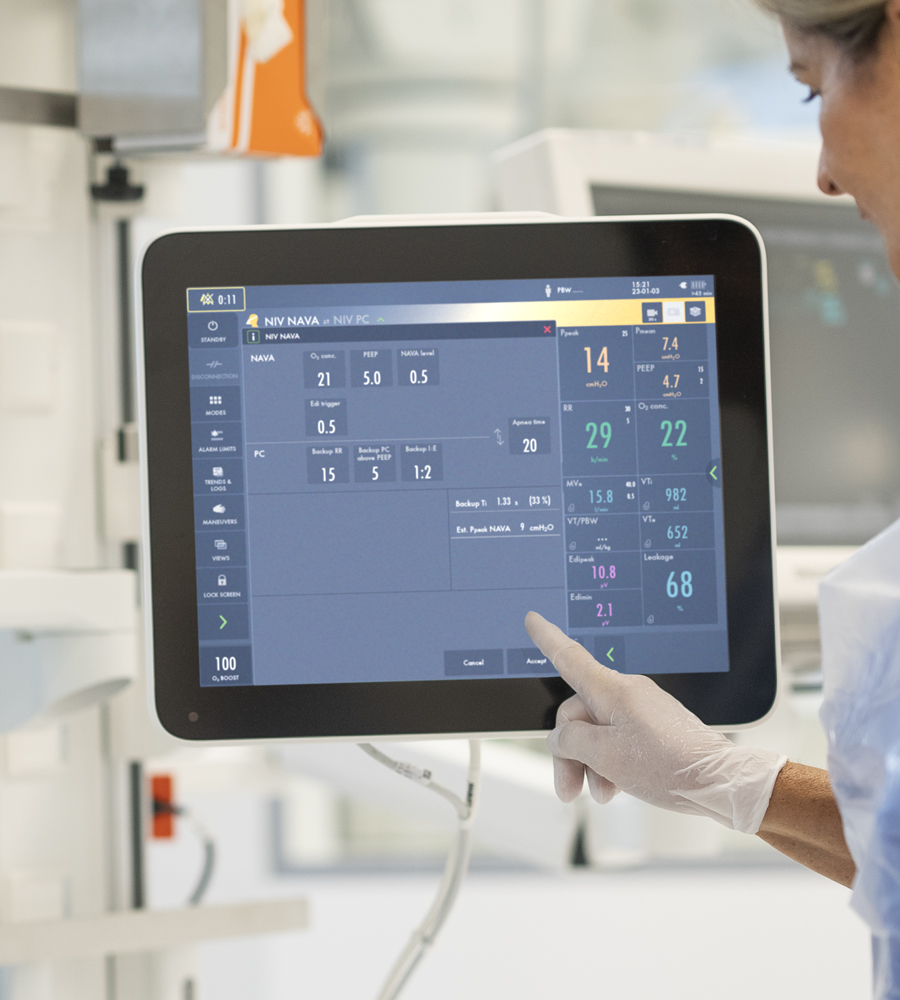
Neurally synchronized ventilation modes are designed to enhance patient-ventilator interaction, remaining unaffected by challenges such as leakage or Auto-PEEP with increased work-of-breathing. These advanced modes ensure precise synchronization with the patient’s neural activity, promoting comfort and optimal respiratory support [26],[27],[28],[29],[30]
- NIV NAVA (Non-invasive Neurally Adjusted Ventilatory Assist) uses the electrical activity of the diaphragm to control ventilatory support, in time and proportion. Because the ventilator responds directly to the patient’s neural respiratory signal, ventilatory support can be delivered in closer synchrony with the patient’s respiratory drive and effort. [19],[20].
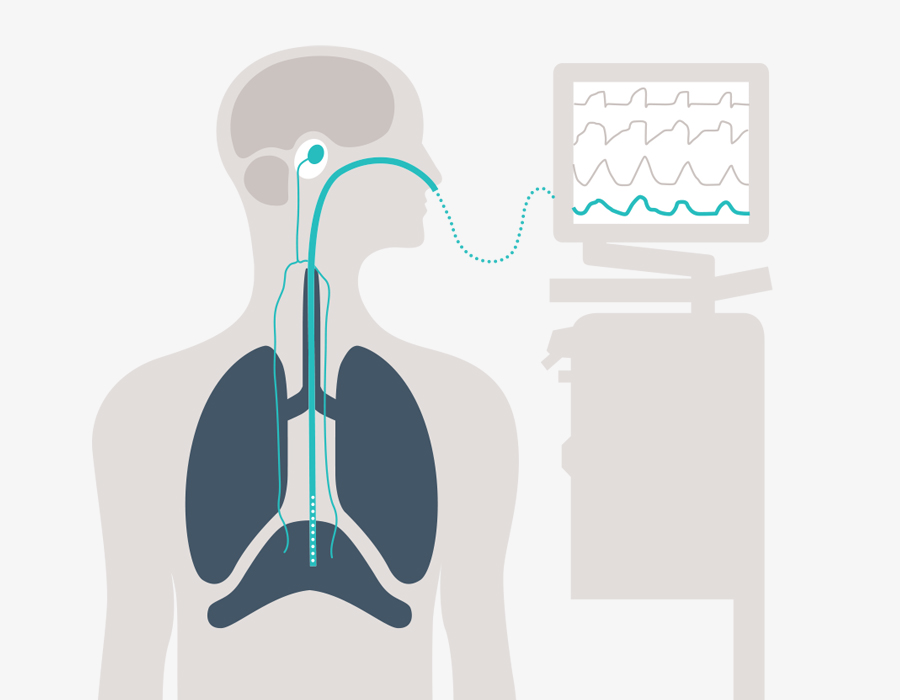
- NIV NPS (Non-invasive Neural Pressure Support) delivers time-synchronized pressure support, which may reduce the incidence of premature expiratory cycling. The faster pressurization rate compared to NIV NAVA may offer advantages in managing restrictive ARDS and obstructive COPD patients, particularly those with high respiratory drive and excessive lung-distending forces [31] [32].
Which ventilator should be used for NIV?
Non-invasive ventilation can be delivered using different types of ventilators, including bi-level, intermediate, and critical care ventilators. These devices differ in circuit design, monitoring capabilities, and their ability to compensate for leaks.
Bi-level ventilators are specifically designed for NIV and often perform well in the presence of leaks. Critical care ventilators offer advanced monitoring and allow rapid transition to invasive ventilation, while intermediate ventilators provide flexibility and portability across care settings.
There is no universally optimal device. Ventilator choice should be based on the clinical situation, expected leak levels, monitoring needs, and clinician familiarity. Importantly, device performance can vary between individual ventilators, and effective use in practice is as critical as the device itself.
Why is interface fitting important in NIV?
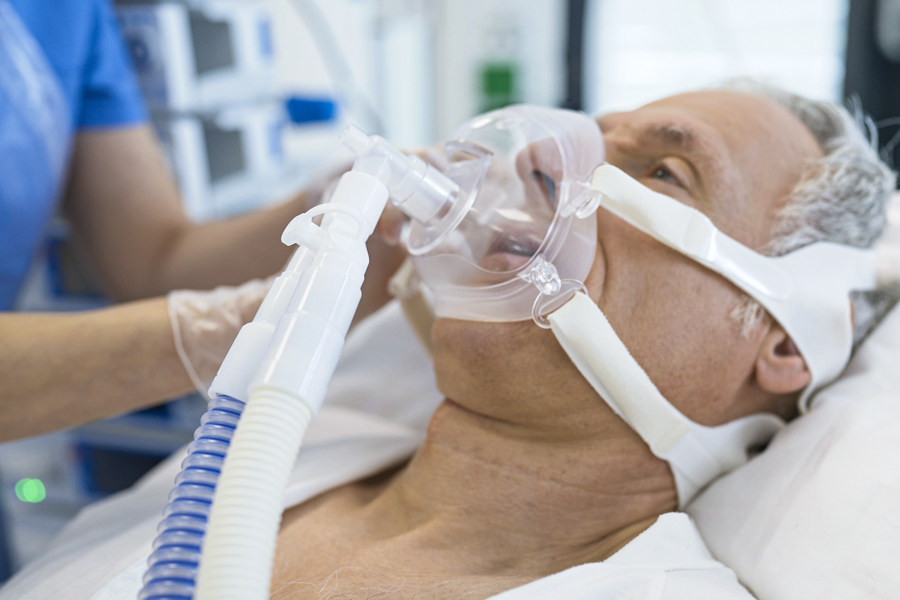
NIV is delivered through external interfaces, most commonly oronasal or nasal masks, and helmet interfaces are used in some settings [21].
Because NIV relies on these interfaces rather than an invasive airway, air leakage is a common challenge. Poor mask fitting can lead to discomfort, skin injury, and leaks that interfere with ventilator triggering and cycling, potentially contributing to asynchrony and reduced ventilation effectiveness [18].
Helmet interfaces may improve tolerance by avoiding direct contact with the face. However, their large internal volume can affect ventilator performance and requires careful adjustment of settings. They may also increase inspiratory effort and contribute to asynchrony [18],[21],[22].
There is no universally ideal interface. Selection should consider facial anatomy, breathing pattern, comfort, and clinical experience [21]. Proper mask fitting is essential. Sizing guides should be used, and overtightening should be avoided, as this may increase skin damage and worsen leakage. If leaks persist, changing the interface is often more effective than tightening the mask [23].
Interface choice must also match the ventilator circuit. Single-limb systems require interfaces with a leak port and anti-asphyxiation valve, whereas dual-limb ICU ventilators do not [23].